Pallet Liquidation for Retail Stores
Pallet Liquidation: Changing Unwanted Products Into Financial Gain
Pallet liquidation provides a viable option for retailers burdened with surplus stock. By converting unsold or returned goods into bulk sales, this method not only alleviates inventory storage problems but also creates new income opportunities. Entrepreneurial buyers frequently pursue such prospects to secure valuable goods at lower costs. However, the intricacies of obtaining and redistributing such pallets present obstacles that demand thorough evaluation. What elements should one assess before participating in this growing industry?
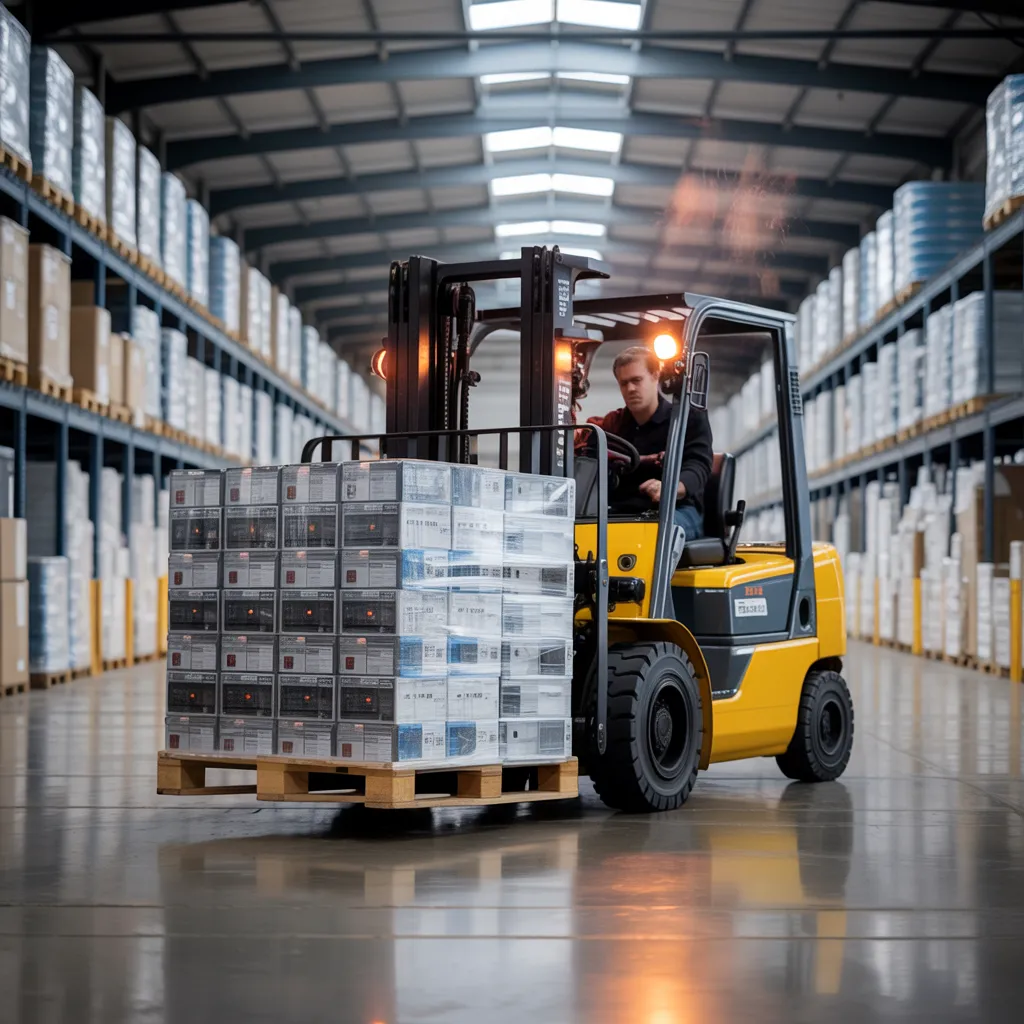
What Is Pallet Liquidation and How Does the Process Work?
Pallet liquidation refers to the process of selling large amounts of returned, excess, or unsold merchandise, typically organized on pallets for easy transport. This approach enables merchants and distributors to recoup a portion of the value from inventory that might otherwise go to waste. Businesses frequently obtain these pallets from a range of sources, such as manufacturers and retailers, who are looking to eliminate their surplus inventory.
Upon receiving them, the pallets are offered directly to buyers or listed through digital auction channels. Small business owners and resellers commonly acquire these pallets intending to sell the individual items for a profit. The contents of each pallet can vary greatly, encompassing a wide range of products from electronics to household goods. The draw of pallet liquidation stems from the prospect of considerable savings and the ability to find worthwhile products within a diverse collection. Altogether, it provides a viable strategy for addressing overstock and surplus inventory challenges.
Well-Known Item Categories available in the Pallet Liquidation Market
Liquidation pallets typically feature an extensive range of product categories, appealing to many buyers looking for value. Commonly featured items include electronics, home goods, apparel, and beauty products. Electronic products like smartphones and laptops, are notably popular, as they typically hold significant resale value. Household items, such as kitchen appliances and furniture, attract a wide range of buyers in search of cost-effective home enhancement options. Apparel categories can range from seasonal clothing to activewear, capturing the interest of secondhand store owners and resellers. Moreover, beauty merchandise, including skincare and cosmetics, attract both individual consumers and retailers aiming to capitalize on brand-name items. Seasonal items are also commonly found in liquidation pallets, giving buyers the chance to build stock prior to seasonal events. This variety of categories guarantees that liquidation pallets can meet the diverse needs of buyers, opening up revenue possibilities in numerous market areas.
Benefits of Pallet Liquidation for Retailers
Many retailers benefit greatly from purchasing liquidation pallets, as they provide an effective means to supply their shelves with a wide variety of products at discounted rates. This strategy not only expands inventory selection but also helps retailers cater to different customer preferences without substantial financial pressure. The cost-effectiveness of liquidation pallets helps retailers maintain competitive price points, which can lead to increased profits and long-term customer relationships.
Furthermore, sourcing wholesale liquidation pallets can lead to higher earnings, as most goods are sourced at a portion of their retail value. Businesses can also take advantage of seasonal demands by quickly obtaining in-demand or seasonal goods, thereby adapting to changing market needs. Moreover, the lead time for obtaining and distributing these goods is generally quicker than typical retail sourcing strategies, enabling retailers to promptly react to fluctuating market demands. All things see now considered, liquidation pallet sourcing operates as a strategic resource for sellers striving to improve their business performance and returns.
How to Source Quality Pallets
Acquiring premium pallets demands diligent research and strategic consideration. Prospective purchasers should begin by pinpointing reliable liquidation companies and wholesalers noted for their trustworthiness. Local auctions and online marketplaces can likewise act as valuable sources, providing a variety of pallets at diverse price levels.
One additional critical factor concerns assessing the state of the pallets. Buyers should inspect for signs of damage, ensuring that the products are in good condition and marketable. Establishing connections with vendors can provide advantageous terms and entry to specialized merchandise, expanding acquisition prospects.
Remaining updated on trending products and market shifts can help buyers choose pallets that will yield significant profit upon resale. Connecting with fellow resellers can provide insights and recommendations, additionally supporting the procurement process. By integrating these approaches, resellers can efficiently acquire premium pallets that contribute to successful liquidation ventures.
Top Strategies for Reselling Liquidated Pallets
Profiting from liquidated pallets requires strategic planning and market insight to optimize returns. Top-performing resellers start by performing in-depth analysis of industry trends and customer demand. Recognizing profitable product categories, like electronics, home essentials, or seasonal goods, enables more focused buying decisions.
Following this, vendors should examine the condition of items within the pallet collections. A thorough inventory helps in determining the potential resale value and helps in creating competitive pricing. Leveraging social media and e-commerce platforms for outreach enhances exposure, expanding reach to a larger customer base.
Networking with other resellers can also be beneficial, encouraging partnerships that result in exchanged knowledge and assets. Furthermore, resellers are advised to think about presenting combined offers or special pricing to appeal to purchasers and enhance circulation rates. By implementing these strategies, vendors can successfully convert surplus merchandise into profitable ventures, securing a prosperous operational strategy in the continuously changing retail environment.
Grasping the Legal and Ethical Considerations of Pallet Liquidation
In the domain of pallet liquidation, comprehending legal compliance obligations is vital for resellers to steer clear of potential liabilities. Moreover, ethical sourcing practices play a significant role in maintaining integrity within the industry. These factors not only influence business operations but also impact consumer trust and brand reputation.
Legal Conformance Requirements
Legal adherence in pallet liquidation plays a critical role in ensuring ethical conduct and sustaining business integrity. Organizations involved in this field must follow numerous regulations, encompassing consumer protection laws, environmental requirements, and tax duties. Adhering to these regulations assists in reducing risks linked to the sale of potentially dangerous or copyright products. Moreover, organizations ought to remain knowledgeable about local and federal guidelines regulating the resale of liquidated items, guaranteeing thorough documentation and reporting. Neglecting to comply can bring about significant legal ramifications, including financial fines or forfeiture of business licenses. By prioritizing legal compliance, pallet liquidation firms can foster trust with consumers and suppliers, ultimately enhancing their reputation and long-term viability in the marketplace.
Sustainable Sourcing Principles
Steering through the complexities of pallet liquidation necessitates a commitment to ethical sourcing practices combined with legal compliance. Companies involved in this sector must champion transparency and integrity, guaranteeing that the products they process are procured with care. This encompasses verifying the origins of goods, assessing the treatment of workers participating in production, and avoiding products associated with environmental harm or exploitative labor practices. By embracing ethical sourcing standards, businesses not only mitigate legal risks but also enhance their reputation and customer trust. Furthermore, ethical practices can contribute to a more viable operation, attracting socially conscious consumers. Overall, the integration of ethical considerations into pallet liquidation is critical to fostering a ethical and thriving business model.
Future Trends in the Pallet Liquidation Market
As the pallet liquidation market evolves, various new trends are defining its future outlook. Digital platforms are growing more widespread, permitting sellers and buyers to interact more seamlessly. These platforms often utilize advanced algorithms to match inventory with demand, improving the efficiency of transactions. Furthermore, sustainability is becoming more prominent, with organizations emphasizing green practices throughout the liquidation process. This transition supports a circular economy, where products are reused and repurposed, minimizing waste.
Additionally, pricing and product quality transparency are projected to grow, as consumers demand more information before purchasing. The expansion of niche markets, particularly in specialized goods, is also notable; enterprises are shifting to address particular consumer needs. Lastly, the adoption of data analytics is poised to enhance inventory management, empowering retailers to make smarter business decisions. Combined, these trends suggest a promising future for the pallet liquidation marketplace, driven by technology and a focus on sustainability.
Popular Questions Answered
What Types of Businesses Benefit Most From Pallet Liquidation?
E-commerce businesses, retailers, and discount stores stand to benefit the most from pallet liquidation. These enterprises often seek cost-effective inventory solutions to maximize profit margins. Smaller store owners can source an assortment of products at discounted rates, broadening their inventory without substantial expenditure. Additionally, online sellers leverage liquidation pallets to source unique items for resale, creating competitive advantages. Overall, businesses focused on budget-friendly inventory management and diverse product selection find pallet liquidation particularly advantageous for growth and profitability.
What Is the Best Way to Determine the Value of Liquidated Pallets?
To assess the value of wholesale liquidation pallets, you should examine the market value of the products included, factoring in their condition and marketplace demand. Investigating like products on the internet can provide insights into potential resale value. Moreover, evaluating the cost of acquisition and any applicable shipping and handling charges is essential. In addition, evaluating regional market conditions and customer interest can help establish a strong pricing approach for the resale market.
Can Individuals Participate in Pallet Liquidation?
Indeed, individuals can engage in pallet liquidation. Several liquidation companies and auctions permit anyone to compete for or purchase pallets directly. By exploring local suppliers or online platforms, individuals can obtain various goods at lower costs. It is important for buyers to understand the risks involved, such as potential hidden damages or unsold items, and to evaluate their ability to sell on or use the items effectively. Proper research and readiness are vital to achieving positive outcomes.
What Are Common Mistakes to Avoid in Pallet Liquidation?
Typical pitfalls to avoid in pallet liquidation include underestimating costs, like freight and warehousing costs, which can result in lower profit margins. Buyers often fail to research the quality and value of items, causing unfavorable acquisition decisions. Furthermore, failing to monitor inventory and sales can impede progress. Failing to grasp market demand can result in unsold merchandise. In the end, making hasty purchases without a defined plan can result in monetary setbacks, highlighting the necessity of thorough preparation.
In What Ways Do Shipping Costs Influence Pallet Liquidation Profitability?
Shipping costs greatly impact pallet liquidation profitability by directly affecting the overall expense structure. Substantial transportation fees can diminish profit margins, making it imperative for vendors to account for these fees within their pricing approaches. Furthermore, fluctuating transportation rates may affect stock movement, ultimately affecting sales velocity. Efficient logistics planning and securing competitive transportation rates can enhance profitability, allowing sellers to maximize returns on liquidated goods while reducing operational costs.